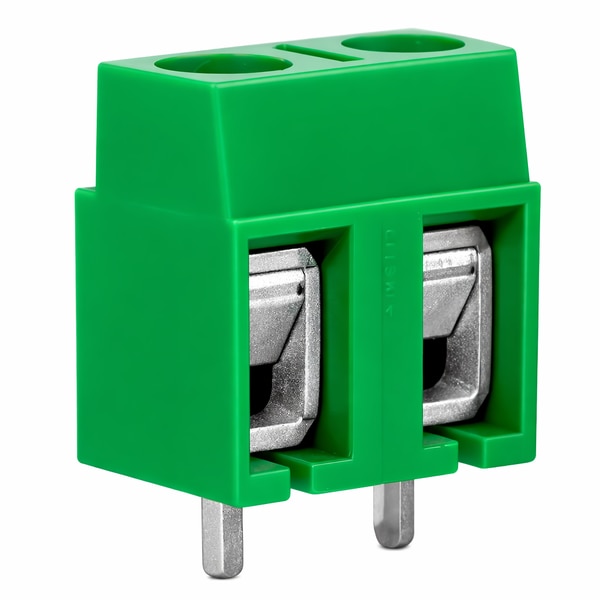
The 3.5mm PCB Terminal Block is a compact and highly reliable electrical connector designed to provide secure wire-to-board connections in electronic circuits. Widely used in electronic devices, control panels, automation equipment, power supplies, and PCB assemblies, this connector ensures safe and stable electrical connections while allowing easy wiring and maintenance. With a 3.5mm pitch spacing, these terminal blocks are ideal for applications where space-saving design is essential without compromising connection reliability. Their durable construction, high conductivity metal contacts, and insulated housing make them a preferred choice for engineers, manufacturers, and electronics technicians. In modern electronic systems, PCB terminal blocks play a crucial role in enabling organized wiring and efficient circuit connections. The 3.5mm pitch terminal block provides an excellent balance between compact size and current-carrying capability, making it suitable for both industrial and consumer electronic products. Key Features of 3.5mm PCB Terminal Block Compact 3.5mm Pitch Design The primary feature of this terminal block is its 3.5mm pin spacing, which allows more connectors to be placed on a printed circuit board without occupying excessive space. This compact design is especially beneficial for small electronic devices and densely populated circuit boards. High-Quality Insulated Housing The outer body of the terminal block is typically manufactured using high-grade flame-retardant plastic such as PA66 or Nylon, which offers excellent electrical insulation and heat resistance. This material ensures long-term safety and durability even in demanding environments. Strong Metal Contact Terminals Inside the terminal block, tin-plated brass or copper alloy contacts provide superior electrical conductivity and corrosion resistance. These metal contacts ensure stable signal transmission and minimize power loss. Secure Screw Clamp Mechanism Most 3.5mm PCB terminal blocks feature a screw clamp connection system, allowing wires to be tightly secured. This design prevents loose connections and ensures reliable performance even in vibration-prone environments. Easy Installation and Maintenance These connectors are designed for quick wiring and easy replacement, allowing technicians to connect or disconnect wires without soldering directly to the PCB. This significantly simplifies installation and maintenance work. Multiple Pin Configurations 3.5mm terminal blocks are available in various configurations including: 2 Pin Terminal Block 3 Pin Terminal Block 4 Pin Terminal Block 6 Pin Terminal Block Custom multi-pin connectors This flexibility allows them to be used across different electronic circuit designs. Technical Specifications Below are the common technical specifications of a 3.5mm PCB terminal block connector: Pitch Size: 3.5mm Rated Voltage: 150V – 300V Rated Current: 8A – 10A Wire Range: 24 AWG – 16 AWG Contact Material: Brass / Copper Alloy Plating: Tin Plated Housing Material: PA66 / Nylon Flame Retardant Operating Temperature: -40°C to +105°C Mounting Type: PCB Through Hole These specifications may vary slightly depending on the manufacturer and design. Applications of 3.5mm PCB Terminal Block The 3.5mm pitch terminal block is widely used across different industries due to its compact size and reliable performance. Industrial Control Systems In industrial automation systems, terminal blocks are used for connecting sensors, controllers, and signal lines. Their secure connection ensures uninterrupted operation of machinery and control circuits. Power Supply Units Many power supply boards utilize 3.5mm terminal blocks to connect input and output wiring safely. They provide a strong connection that can handle moderate current loads efficiently. LED Lighting Systems PCB terminal blocks are commonly used in LED drivers, LED controllers, and lighting boards for connecting power lines and control signals. Consumer Electronics Devices such as audio equipment, amplifiers, home appliances, and electronic gadgets use terminal blocks to simplify internal wiring connections. Automation and Robotics Robotics circuits, programmable logic controllers (PLC), and automation equipment often require compact connectors like the 3.5mm terminal block to ensure reliable signal and power connections. Advantages of Using 3.5mm PCB Terminal Blocks Space Saving Design The small pitch allows engineers to design compact circuit boards, which is essential for modern electronic devices. Reliable Electrical Connections The screw clamp system ensures tight and stable wire connections, reducing the chances of electrical faults. Easy Wiring Unlike soldered connections, terminal blocks allow quick wire installation and removal, saving time during assembly and maintenance. Cost Effective Solution 3.5mm PCB terminal blocks are affordable and widely available, making them an economical choice for electronics manufacturers. Long Service Life With corrosion-resistant contacts and durable housing materials, these connectors provide long-term reliable performance. Why Choose a High Quality PCB Terminal Block? Using a high-quality 3.5mm PCB terminal block connector ensures better electrical safety, stable signal transmission, and longer equipment life. Poor-quality connectors can lead to loose wiring, overheating, or circuit failures. Quality terminal blocks are manufactured with strict precision standards to ensure perfect fitment on PCBs and reliable wire clamping. For manufacturers and engineers, selecting a trusted connector helps maintain product reliability and safety standards. Conclusion The 3.5mm PCB Terminal Block is an essential electronic connector used in a wide range of PCB-based applications. Its compact design, secure screw clamp connection, durable insulation, and reliable electrical performance make it a preferred choice for engineers, electronics manufacturers, and industrial system designers. Whether used in automation systems, power supplies, LED lighting circuits, or consumer electronics, the 3.5mm terminal block provides a convenient and safe solution for connecting wires to printed circuit boards. Due to its compact size, durability, easy installation, and excellent conductivity, this connector continues to be a vital component in modern electronic hardware and circuit designs.